DIY Foundation Inspection Guide in McAlester, Oklahoma & Surrounding Areas
Understanding how to inspect your foundation can help you identify early warning signs before they turn into costly repairs. In McAlester, Oklahoma, shifting soil, heavy rain, and extreme temperature changes can all affect the stability of your home. A simple visual inspection done a few times per year can reveal cracks, moisture issues, or settling that needs professional attention. This guide explains how to check your foundation, what signs to look for, and when to call an expert.
What Are the Common Signs of Foundation Damage in Ada, Oklahoma?
Foundation damage in Ada typically develops slowly, often beginning with small cracks or uneven flooring that worsen over time. Cracks in walls, brick joints, or floors are among the most noticeable indicators. Vertical hairline cracks may suggest minor settling, while stair-step cracks in brick walls often poi
What Are the First Signs of Foundation Problems in McAlester?
Early signs include cracks in walls or floors, sticking doors or windows, gaps between trim and drywall, and sloping floors. These symptoms usually appear when the soil beneath the home shifts due to moisture changes, which are common in McAlester’s seasonal climate.
How Do You Inspect the Exterior of Your Foundation?
Walk around the outside of your home and look for cracks, crumbling concrete, leaning walls, or areas where soil pulls away from the structure. Check for standing water after rainfall, as moisture buildup can weaken the foundation over time and lead to settlement issues.
What Should You Look for Inside the Home?
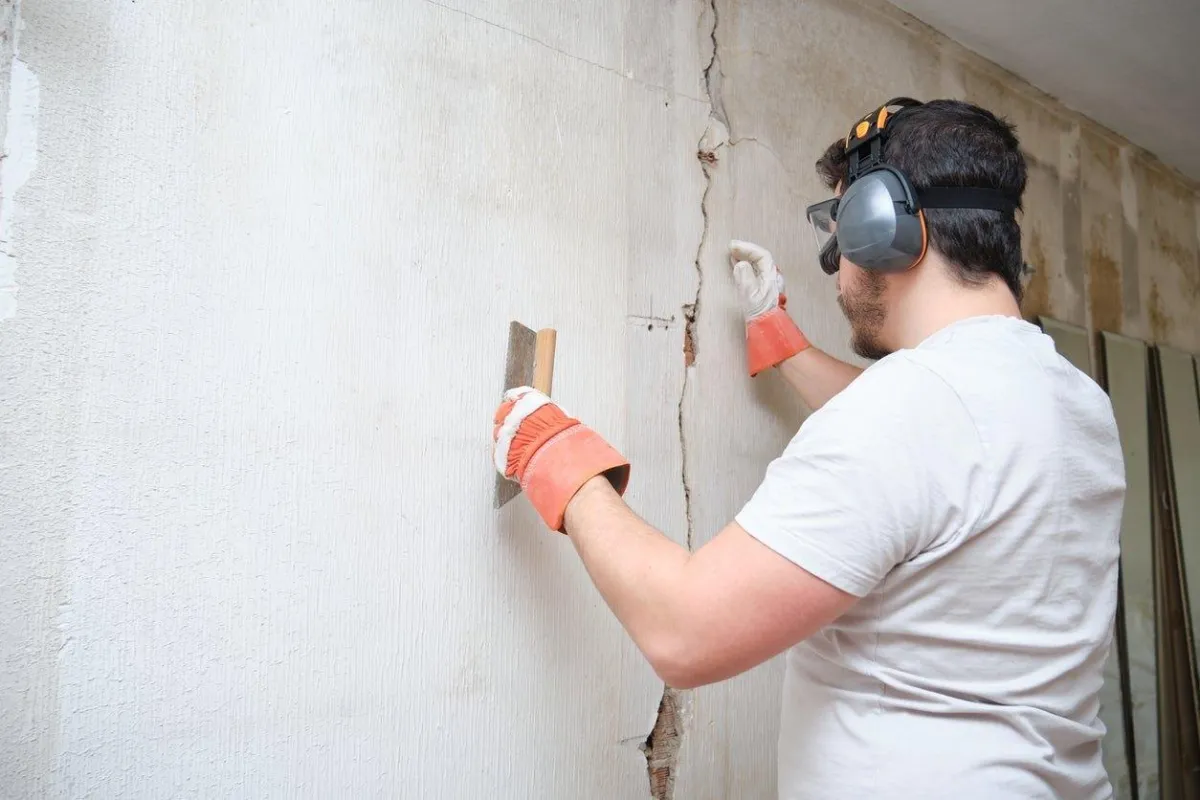
Examine interior walls for diagonal cracks, ceiling separations, and gaps around doors or windows. Uneven or bouncy floors can also indicate foundation movement. These interior warning signs often appear before major exterior cracks develop.
How Does McAlester’s Soil Affect Foundation Stability?
The clay-rich soil in McAlester expands when wet and contracts during dry spells, creating pressure that pushes against the foundation. This constant movement leads to cracking, sinking, and shifting, making regular inspections essential for homeowners in the area.
Why Is Water Drainage Important During an Inspection?
Poor drainage is one of the leading causes of foundation damage. Look for signs of pooling water, clogged gutters, or improper grading. When water collects near the base of the home, it increases soil movement, causing the foundation to shift or crack.
How Can You Check for Crawlspace or Basement Issues?
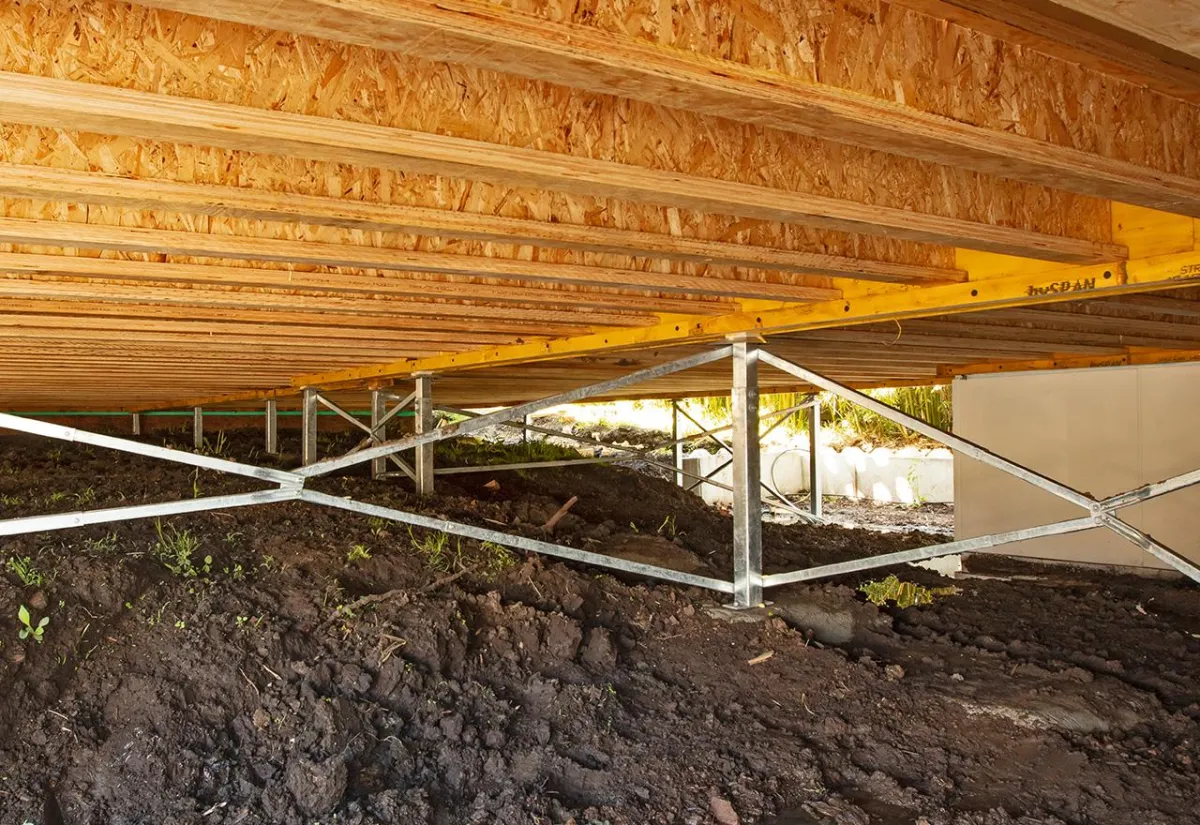
Enter the crawlspace or basement if accessible and look for moisture, mold, sagging beams, or cracks along the concrete. Damp or musty odors are signs that water is penetrating the structure and may be weakening the foundation from below.
When Should a Homeowner Call a Professional?
If you notice large cracks, significant settlement, or doors that no longer close properly, it’s best to contact a licensed foundation repair contractor. Professionals in McAlester can perform structural evaluations and recommend long-term solutions to prevent worsening damage.
How Often Should You Perform a DIY Foundation Check?
Most homeowners should inspect their foundation at least twice a year and after major storms. Seasonal changes in Oklahoma can rapidly shift the soil, so frequent checks help catch damage early and protect your home’s structural integrity.
Final Thought
A DIY foundation inspection is a valuable step toward maintaining your home’s safety and stability in McAlester, Oklahoma. By understanding the warning signs and regularly checking both the interior and exterior, you can avoid costly repairs and address issues early. Whether you live in Krebs, Hartshorne, Haileyville, or any nearby town, staying proactive ensures your foundation remains strong and dependable.nt to differential movement in the leveling foundation. Horizontal cracks, on the other hand, are signs of lateral pressure caused by expanding soil or water buildup. Homeowners may also notice that doors and windows begin to stick or fail to close properly—an indication that the foundation has shifted unevenly, twisting the frames out of alignment. Early detection of these warning signs can prevent larger, more expensive structural problems
Can DIY inspections prevent major foundation problems?
While DIY inspections cannot fix issues, they help homeowners identify early signs before they become severe, saving money and protecting the home.e clay soils and moisture fluctuations prevalent in Ada.
Are small hairline cracks a concern?
Hairline cracks are common but still need monitoring. If they widen or spread, it may indicate structural movement that needs professional attention.
What tools do I need for a DIY foundation check?
Most homeowners only need a flashlight, a level, and a notepad to document cracks, gaps, and moisture issues during an inspection.
Can poor drainage really damage my foundation?
Yes. Standing water increases soil expansion and contraction, which leads to cracking, sinking, and long-term structural problems.
How do I know if a crack is serious?
Cracks wider than one-eighth of an inch, especially if diagonal or horizontal, usually indicate movement that requires evaluation by a foundation specialist.
Contact Us
Terms & Conditions
Privacy Policy